General Information
Nahiya (Subdistrict)
Efrîn
Also Known As
Basilê, Baslahaya, باصلحايا, باصلحي, بوصليه
Families, Clans, etc.
Ebdo, Hecî, Kenco, Miqdad, Mûsa, Nebo, Osman, Osso, Rûbarî, Îbîş, Îsa, Şebabo, Şêxo
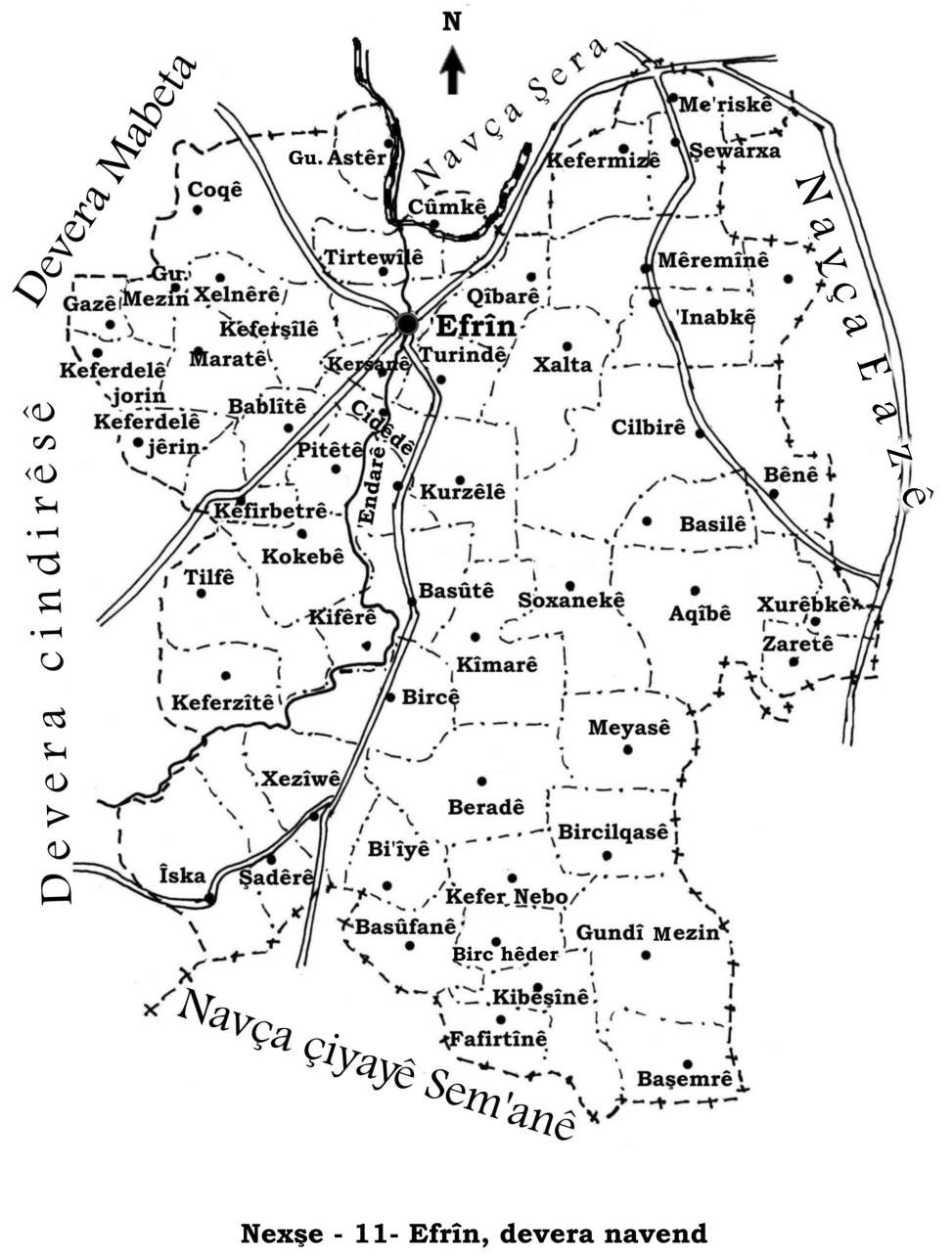
Photos
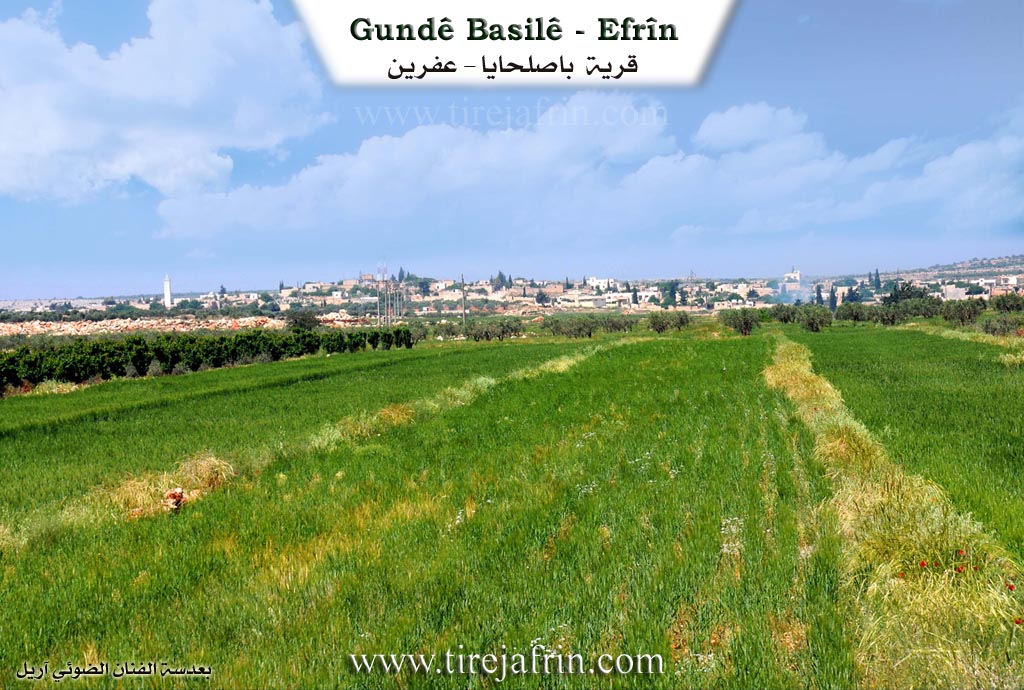
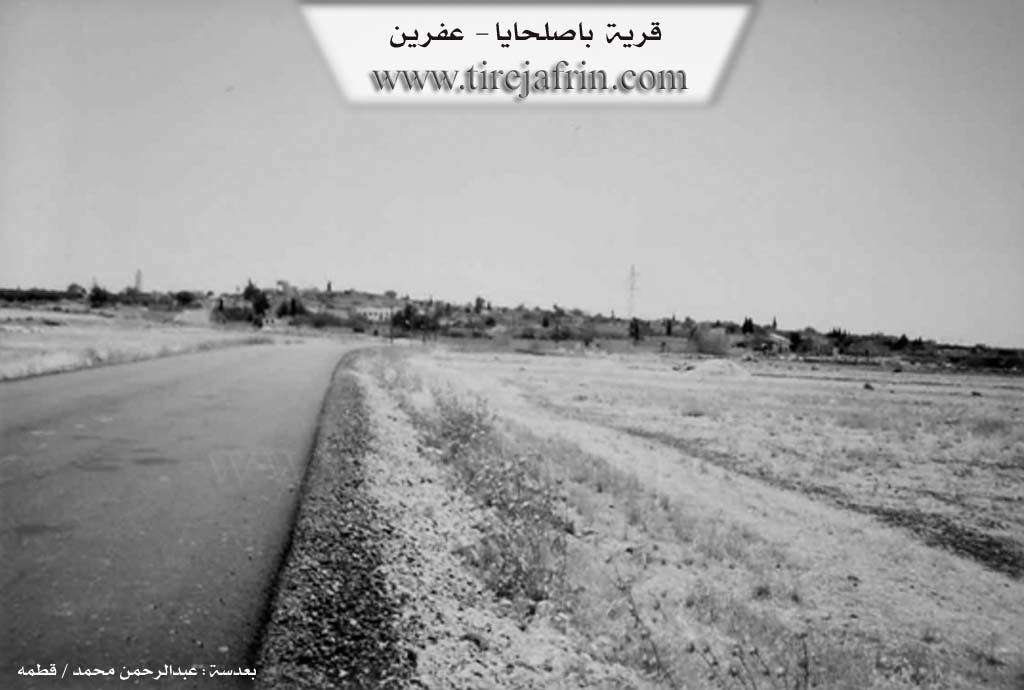
Basic Information about Basilê
Source: Tirej Afrin
Etymology: The origin of the popular name Basîlê is unknown. As for Basilhaya, in Aramaic it means: house of the woodcutters, or: the wooden board
Foundation Date/Period: Approximately 700 years ago
Hills: Çiyayê Lîlon
Other Landmarks: Wadî Seraqib, Mezreya Zirîqat
Summaries
I. Summary from TirejAfrin Site (English) of Basilê
Source: https://www.tirejafrin.com/site/kura%20afrin%20markaz-basile.htm
It is stated in the book جبل الكرد (عفرين) دراسة جغرافية Çiyayê Kurmênc (Efrîn): A Geographical Study by د. محمد عبدو علي Dr. Mihemed Ebdo Elî:
Basîlê, Basilhaya /2956 people - 400 hectares - 25km - 505m/:
Village Name
The name "Basîlê": We were unable to determine the origin of its popular name. As for Basilhaya, in Aramaic it means: the house of the woodcutters, or in the sense of: the wooden board /Al-Asadi, Vol 2, p 37/.
General Description and History
It is a medium-sized village located on Çiyayê Lîlon (Mount Lîlon) - the Rûbarî section. It is one of the ancient Rûbarî villages, and it contains a residence for the Rûbarî family dating back more than 150 years.
Geography and Location
As stated in the book عفرين .... نهرها وروابيها الخضراء Efrîn... Her River and Her Green Hills by the writer عبدالرحمن محمد Ebdulrehman Mihemed from the village of Qetme: Basilhaya is a village in Çiyayê Lîlon, administratively belonging to the sub-district of the villages of the Efrîn center and district, Heleb governorate.
It is a large village located at the end of the southeastern slope of a limestone plateau east of the Lîlon mountain chain, northwest of Wadî Seraqib, 30km southeast of the city of Efrîn. It is bordered to the north by a valley, a rugged mountain chain of rocks, the farm of Zirîqat, and Kûbelê; to the south by a slope, a valley, and the nearby village of Eqîbê; to the east by a slope, a wide fertile agricultural plain, and the villages of Ibîn and Cilbil; and to the west by a valley, a rugged mountain chain of rocks, and the village of Dêr Mişmiş.
Demographics and Architecture
The number of its houses reaches 250, and its age is approximately 700 years according to the account of one of the village residents. It is one of the ancient villages in Çiyayê Lîlon and the Xubarî region. Its old houses are made of stone, mud, and wooden ceilings, while the modern ones are made of stone and reinforced concrete.
Services and Infrastructure
A municipality center was recently established there two years ago. An electricity network and drinking water are available, as well as a primary school, and a middle school is under construction. It contains a mosque and a paved road connecting with the neighboring villages and the Riya Heleb (Aleppo road).
Agriculture and Economy
The residents of the village work in the cultivation of grains, legumes, and olives via rain-fed farming on an area of 400 hectares, alongside livestock breeding.
Families and Notable People
Among the families in the village are: Îbîş, Mûsa, Hecî, Ebdo, Miqdad, Şebabo, Kenco, Osso, Şêxo, Osman, Nebo, and Îsa.
Among the PhD holders from this village is Dr. Ednan Îbîş, who holds a PhD in Mathematics from the former Soviet Union, in addition to many university degree holders. The village mukhtar is Mr. Mihemed Hesen Ebdo.
Sources
Book: جبل الكرد (عفرين) دراسة جغرافية Çiyayê Kurmênc (Efrîn): A Geographical Study by د. محمد عبدو علي Dr. Mihemed Ebdo Elî.
Book: عفرين .... نهرها وروابيها الخضراء Efrîn... Her River and Her Green Hills by عبدالرحمن محمد Ebdulrehman Mihemed from the village of Qetme.
Preparation and Execution:
Manager of Navenda Tirej Efrîn: Ebdulrehman Hacî Osman
20/12/2013
Foundation/Origin Information of Basilê
It is one of the old villages in Lilon Mountain and the Ghabariya region.
Source: TirejAfrin Site
Possible Village Name Meaning of Basilê
The origin of its popular name "Basile" could not be determined. As for Baslahaya in Aramaic, it means: house of woodcutters, or means: wooden board.
Source: TirejAfrin Site