General Information
Nahiya (Subdistrict)
Mabeta
Also Known As
Al-Samal, Semalka, Sêmalka, السمال, سمالك, سيمالك, سيمولكو
Families, Clans, etc.
Camo, Ebdul Ezîz, Hemace, Hemo, Heno, Kono, Şêx Kîlo
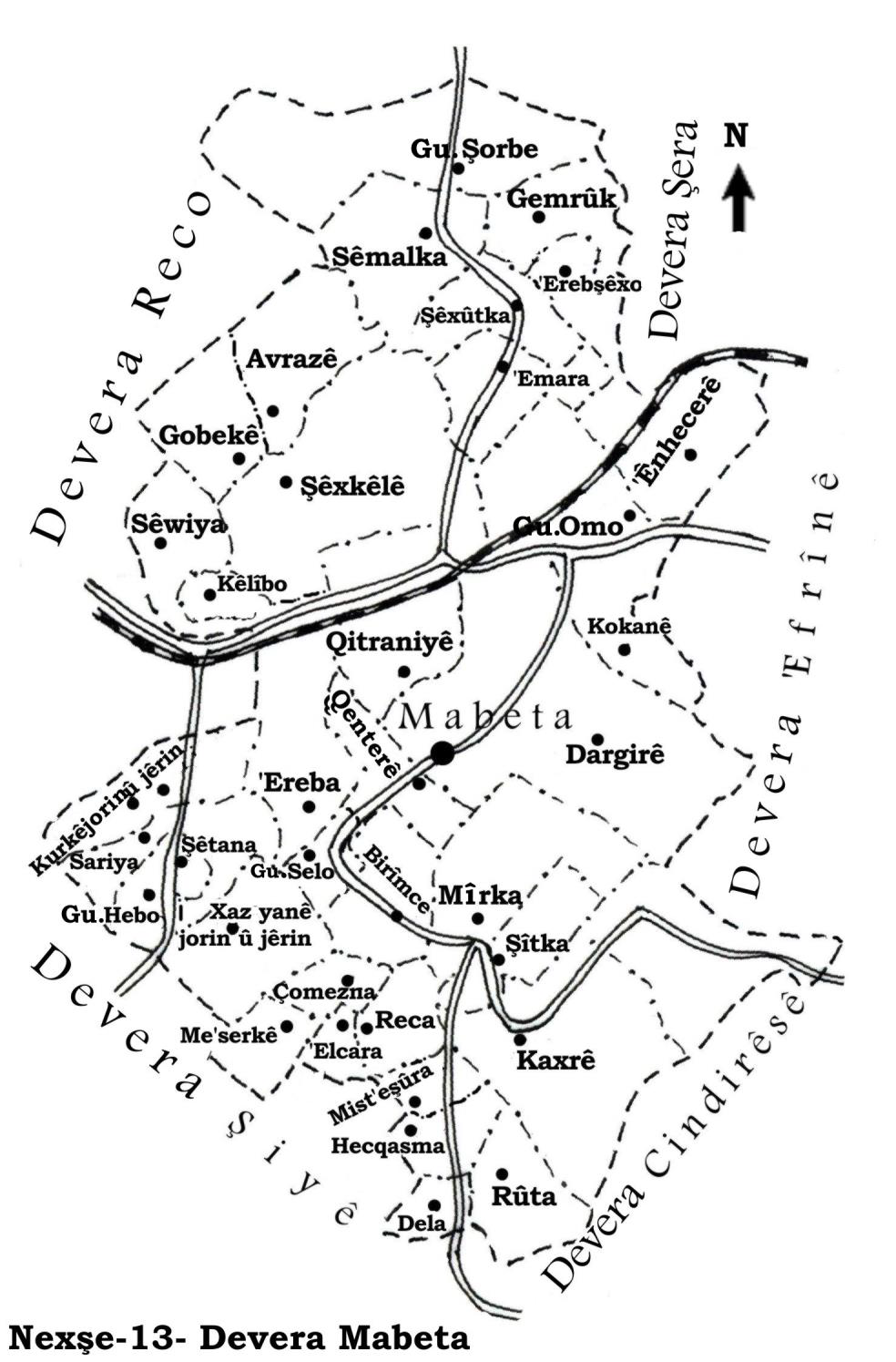
Photos
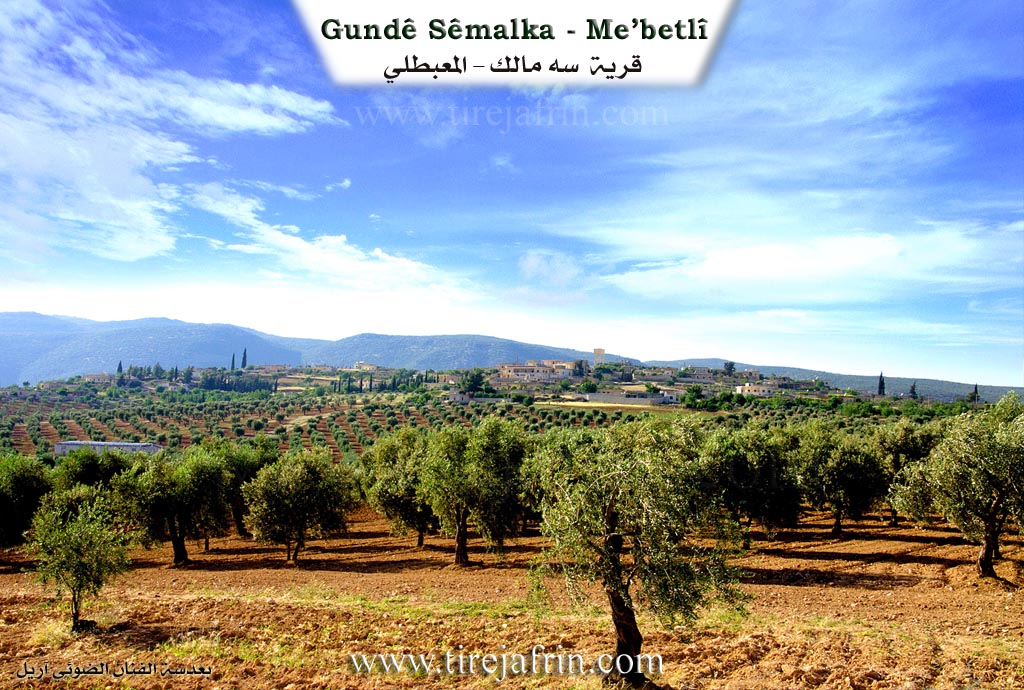
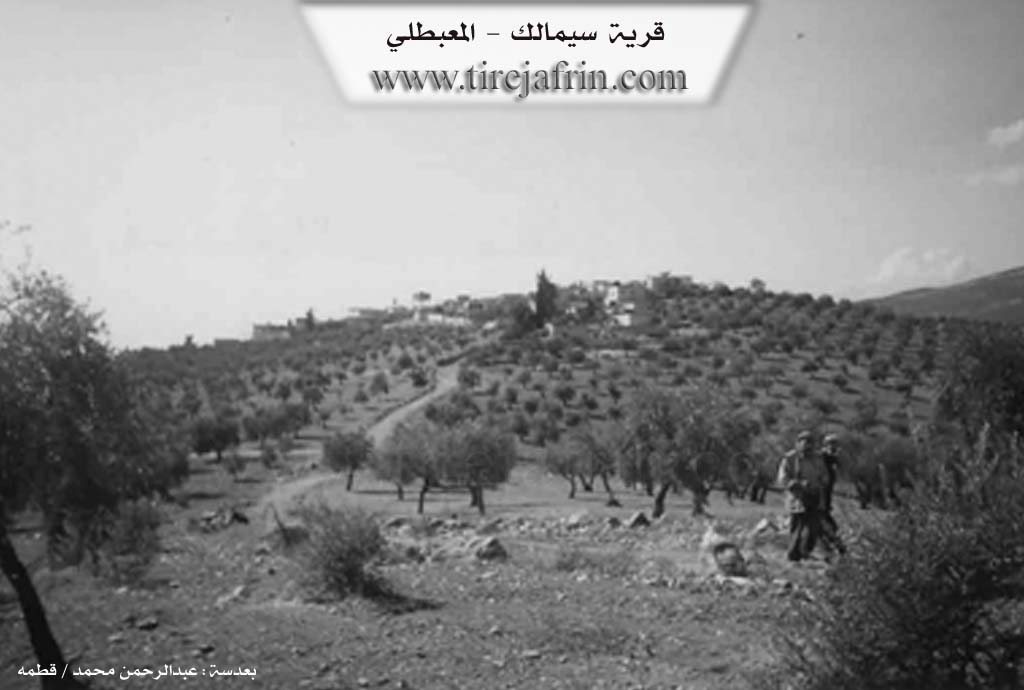
Basic Information about Sêmalka
Source: Tirej Afrin
Etymology: The name means "three houses" (sê + mal) in Kurdish, as the village originally consisted of three houses built by three brothers. The Arabized name "El Semal" has no meaning.
Foundation Date/Period: Approximately 450 years ago
Hills: Çiyayê Hawar
Wells: Bîra Şorbe
Summaries
I. Summary from TirejAfrin Site (English) of Sêmalka
Source: https://www.tirejafrin.com/site/kura%20afrin%20%20%20mebetli%20-%20semalka.htm
The following states in the book جبل الكرد (عفرين) دراسة جغرافية Çiyayê Kurmênc (Efrîn): A Geographical Study by د. محمد عبدو علي Dr. Mihemed Ebdo Elî: Sêmalk, El Semal. 949 inhabitants. 550m altitude. 11km distance.
Sêmalk: Meaning "three houses" (sê + mal), and the village in the beginning of its formation consisted of three houses. The Arabized name "El Semal" does not mean anything. It is a medium sized village located on the southern slope of Çiyayê Hawar.
The following states in the book عفرين .... نهرها وروابيها الخضراء Efrîn... Her River and Her Green Hills by the writer عبدالرحمن محمد Ebdulrehman Mihemed from the village of Qetme:
Sêmalk is a village in Çiyayê Kurmênc, following the Mabeta district, Efrîn region, Heleb governorate. It is a small village located in the central part of the mentioned mountain on a rocky limestone high slope. It is furrowed by several small streams descending north, west, east, and south towards agricultural lands with clay soil. It is 16km away from the district center towards the northeast.
It is bordered to the north by a harsh rocky slope, a stream valley, the high mountain heights of Çiyayê Hawar, and the village of Dax Oba at the peak of the mountain. To the south, it is bordered by a slope planted with olive trees and the village of Kumrûk. To the west, it is bordered by a slope, a stream valley, a wide fertile plain planted with olive trees, and the villages of Ebrez and Şêx Kîlo. To the east, it is bordered by a slope, a stream valley, and the village of Şorbe.
The number of its houses reaches about 75 houses and its age is about 450 years. Its old residences are stone and mud with flat wooden roofs, while the modern ones are cement, spreading south and west up to the public road at the junction of Riya Reco (Reco road) and up to Riya Bilbile (Bilbile road). An electricity network and a water network are available in it, connected to the well of the village of Şorbe located south of the village of Şorbe. It contains a primary school and a mosque. It is connected to the district center by a paved road reaching the middle of the village. There is a modern olive press in the village.
Its residents work in rain fed agriculture (grains, olives, legumes) on an area of 300 hectares, and irrigated agriculture from artesian wells for summer vegetables, pomegranate trees, and walnuts, alongside raising sheep and goats. Among its most important families are the family of Camo, Hemo, Ebdul Ezîz, and others (the first to inhabit the village). It consisted of only three houses, therefore it was named the village of Sêmalk in relation to these three brothers.
From the families in the village: Ebdul Ezîz, Hemace, Şêx Kîlo, Heno, and Kono. Among the social figures in the village is Mr. Yûsif Ebdul Ezîz. The mukhtar of the village is Xelîl Şêx Kîlo.
Sources
Book: جبل الكرد (عفرين) دراسة جغرافية Çiyayê Kurmênc (Efrîn): A Geographical Study by د. محمد عبدو علي Dr. Mihemed Ebdo Elî.
Book: عفرين .... نهرها وروابيها الخضراء Efrîn... Her River and Her Green Hills by عبدالرحمن محمد Ebdulrehman Mihemed from the village of Qetme.
Preparation and Execution:
Manager of Tirej Efrîn site: Ebdulrehman Hacî Osman
20/12/2013
II. Ax û Walat Book 2
54
SÊMALKA
22.11.2017
The village of Sêmalka is affiliated with the Mabeta district of the Efrînê canton, located 14 km from the town of Mabeta.
Because the village was initially founded by 3 families, it was given this name. They were the families of Çamo, Xedo, and Ringo. These three families settled the village. But later, many people from different areas came to reside there.
During the First World War, all the men of the Çomo family joined the Ottoman army in this war, but none returned, and only their women remained. A man from the village of Gemrûkê named Oz or Ezîz married a woman from that family and stayed in the village. The Hiso family came from the village of Şêxkêlê and Hemaç came from the village of Gulîka and in the village of
55
Sêmalka settled. Some people from the Çomo family went to live in Zebedanî of Damascus. The Heno family came from the village of Sico, affiliated with Ezazê. The Seydo family came from the village of Çiyê. Xelîlê Seydê Eşê from the village of Xalta came to the village of Gemrûkê, and after a while, came to the village of Sêmalka and married a girl from the Çomo family and remains in the village. Umer also comes from Şêrewa and he too remains in the village.
Mihemedê Enter is from the Inizî tribe and is of Arab origin; he lives in the village of Sêmalka and resides there. The family of Reşîdê Reşko from the village of Sêwiya and Silêman from the village of Kumreşê come to the village of Sêmalka.
The village consists of 110 houses, and nearly 50 families live in the city of Efrînê, and nearly 1500 people live in the village.
To the south of the village are olive fields, the ancient well named Bîrê, the main road of Efrînê, and the village of Şêxûtka. To the west are the Sêbek shrine, the Ziravkê Stream, and three springs: the spring of
56
Qestelê, Çinarê, Çavreşkê, the two villages of Xirabê Rûtê and Avrazê. To the north are the olive fields, the Qere Eslan shrine, and Hawarê mountain. And to the east are the olive fields, the lake, and the village of Şorbe.
The people of Sêmalka village make their living from agriculture, from olive fields and gardens of watermelon, melon, wheat, and vineyards. Nearly 10 families own livestock, and around 25 people work in the institutions and bodies of the Autonomous Administration in Mabeta and Efrînê.
There are 4 martyrs from the village:
Şehîd Mahir, Rengîn, Erif and Ş.Hemo
The village school is named after Ş. Erif.
The village commune is named after martyr Mahir, and the women's commune is named after Ş. Rengîn.
There was a guest room in the village belonging to Şêxo Seydo, who was the mukhtar of nearly 40 villages.
Hemîdê Hemoçê, Xelîlê Sydê Eşê, Mistê Hesê, and Kono were elders of the village and held a high status among the village people.
A woman named Meyro made remedies for illnesses.
Nearly 50 men and women have received higher education degrees; among them are doctors, engineers, teachers, and administrative staff in various fields.