General Information
Nahiya (Subdistrict)
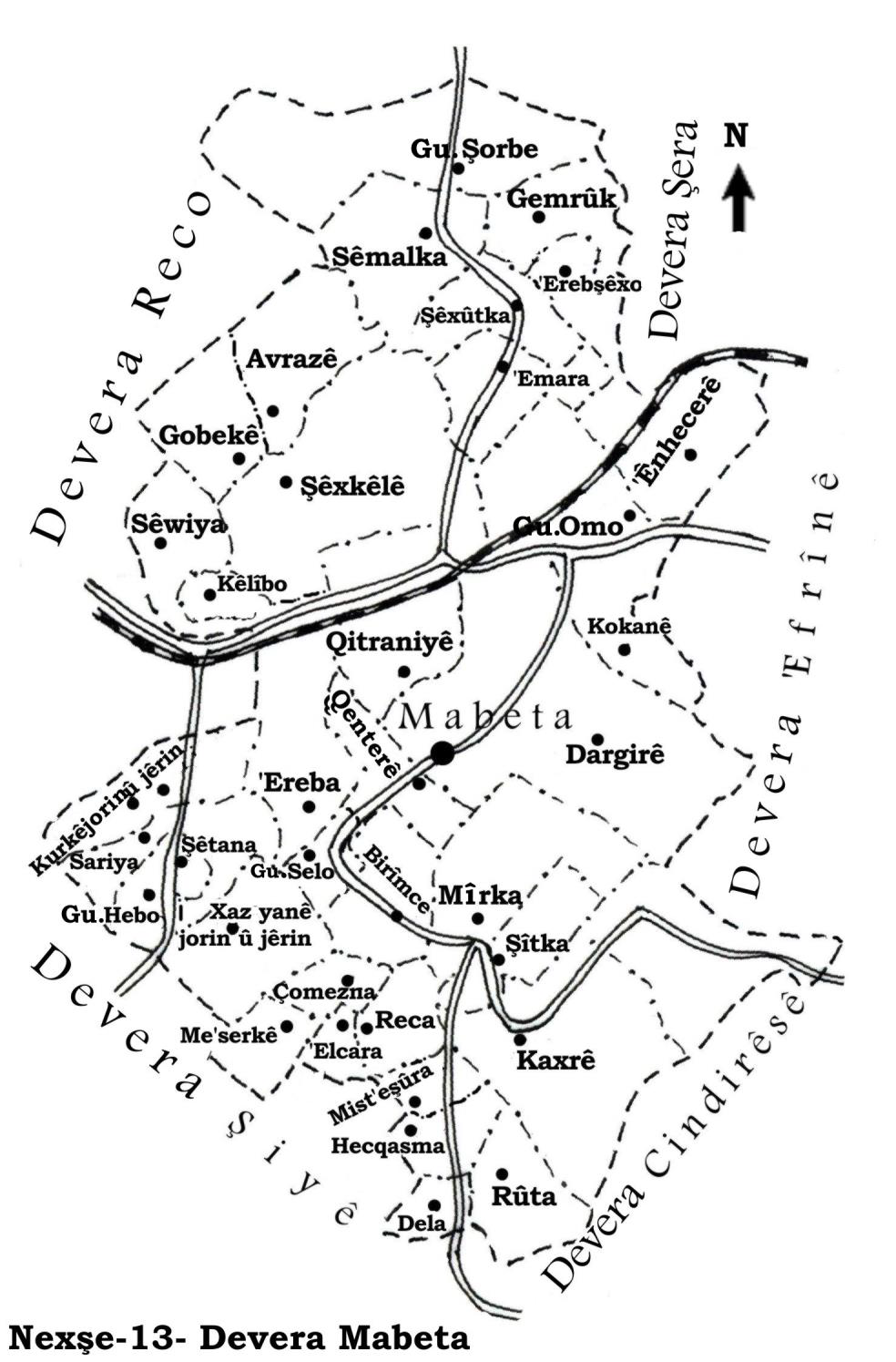
Mabeta
Also Known As
Rahmanieh, Shetana, Shetanu, Šêtana, رحمانية, شيطانو
Tribes
Şêxiyan
Families, Clans, etc.
Bekir Xûce, Cewher, Haskerzê, Hecî, Heskelekê, Kûze, Minanî Heso, Seyid Xaje, Çîlo, Çûyê Xozyana
Photos
Basic Information about Şêtana
Source: Ax û Welat (Information for Sariya and Şêtana)
Etymology: Named after the founder Mihme Soru (or Soro), meaning 'Red' or 'Blond' due to his complexion; later Turkified to Sorya
Foundation Date/Period: Approximately 400 to 450 years ago
Springs: Kaniya Sêvê
Hills: Çiyayê Açolo, Çiyayê Qîbê
Shrines: Ziyaretgeha Sariya
Ruins: Ma'ser
Wells: Bîra Xoziana, Bîra Qerşîlê, Bîra Xurşînê
Other Landmarks: Gola Sariya
Summaries
I. Summary from TirejAfrin Site (English) of Şêtana
Source: https://www.tirejafrin.com/site/kura%20afrin%20%20%20mebetli%20-%20shetana.htm
Ştana / Rehmaniye
Based on the book جبل الكرد (عفرين) دراسة جغرافية Çiyayê Kurmênc (Efrîn): A Geographical Study by د. محمد عبدو علي Dr. Mihemed Ebdo Elî:
Ştana, Rehmaniye / 1012 inhabitants, 116 houses, 13km from center, 650m altitude.
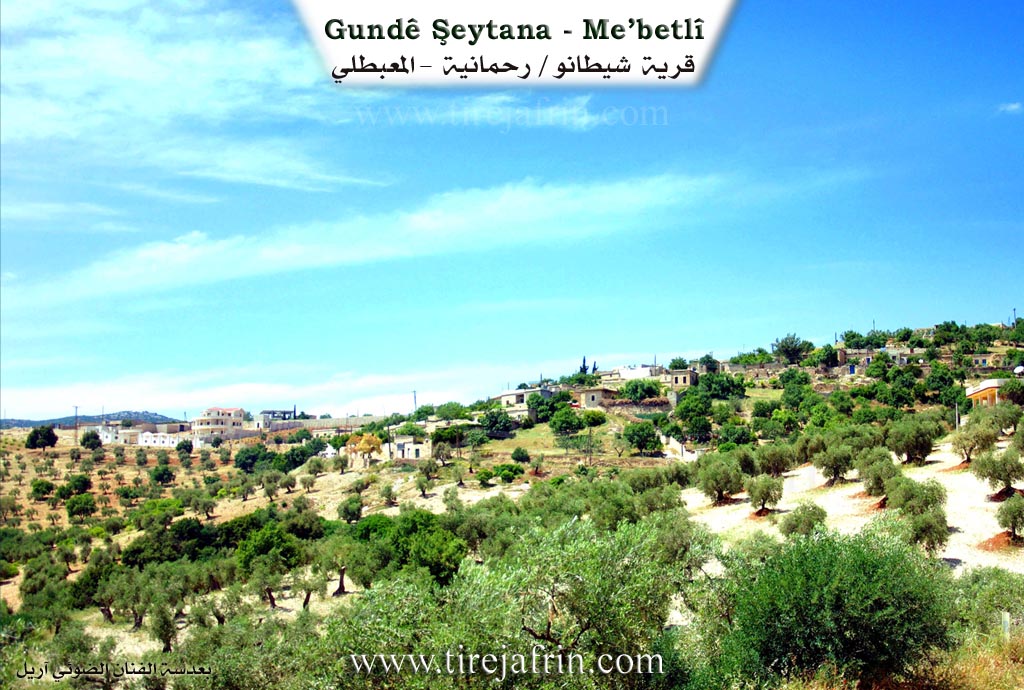
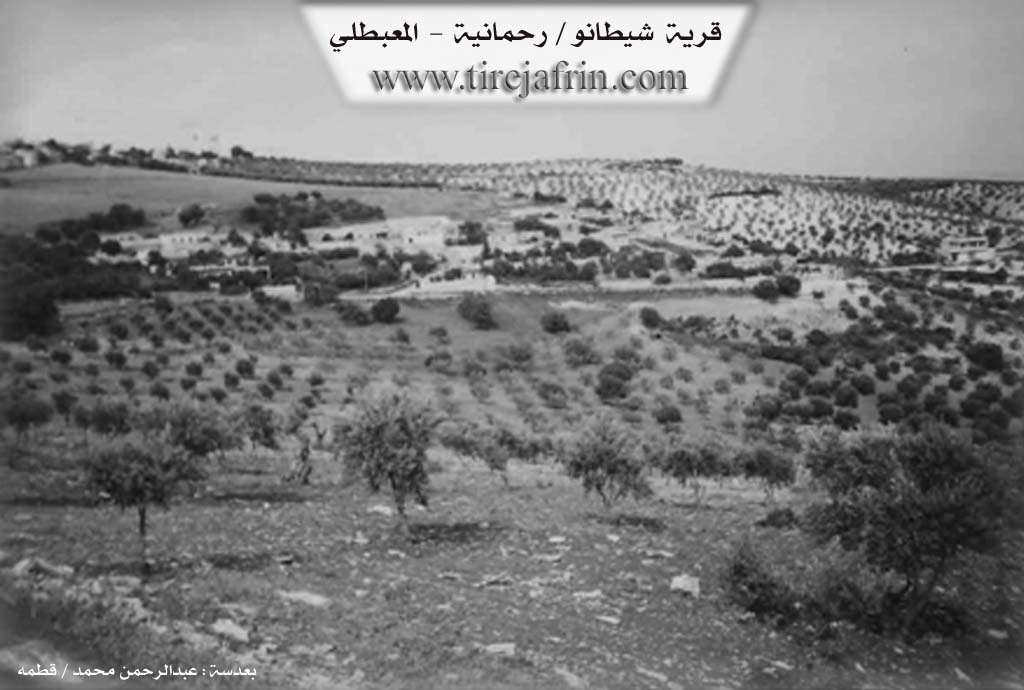
Its ancient name was Şêtana. This was an attribute describing the behavior of some of its inhabitants in the past. The name was recently changed to Rehmaniye. It is a small village situated atop a height covered with olive trees. Most of its inhabitants have emigrated in search of a source of livelihood.
According to the book عفرين .... نهرها وروابيها الخضراء Efrîn... Her River and Her Green Hills by the writer عبدالرحمن محمد Ebdulrehman Mihemed from the village of Qetme:
Rehmaniye / Şêtano is a village in Çiyayê Kurmênc, administratively belonging to the Mabeta sub district, Efrîn region, Heleb governorate. It is a small village located in the central part of the mentioned mountain, atop the summit of Çiyayê Hemo which slopes steeply towards the southwest in the direction of Wadî Rîşe. It is 12km away from the town of Mabeta heading northwest.
The village is bordered to the north by the village of Sariyê Uşaxî at a distance of 500m. To the south, there is a slope and a deep valley planted with olive trees, and the villages of Xaziyanlî Jêrîn and Jorîn. To the west, there is a mountainous height and the village of Hemlork at a distance of 1km. To the east, there is a mountainous height planted with olive trees and the villages of Ereb Uşaxî and Gurkan Jorîn.
The number of houses is approximately 35, and the village age is 350 years. Its old dwellings are made of stone and mud with flat wooden roofs, while the modern ones are cement and extend towards the west and east. An electricity network is available, as well as a water network connected to an artesian well dug at the bottom of the valley to the south. A paved road connects it to the sub district center and passes through its center to several neighboring villages. There is a school in the village shared with the village of Sariyê Uşaxî. The residents work in rain fed agriculture on an area of 250 hectares (grains, vines, almonds, walnuts), alongside raising sheep and goats.
Mr. Reşîd Miqdad (Ebû Mihemed), one of the sons of this village, states that the history of the village is as follows: The naming of the village originally came from the first inhabitants who lived there and took a cave as their dwelling. Before the cave, there was a tree called in the Kurdish language Seftak. As is generally known, snails stick to the branches of this tree, and the snail in the Kurdish language is called "şîtonok." Therefore, the name of the village came as it is known.
Many people are unaware that with the passing of days, its name became the village of Rehmaniye following a story that took place there, which many of the elders know. In the past, there were merchants who roamed the villages; they were of the Armenian sect and worked in the trade of artifacts and gold. A well known merchant used to frequent the village. One day, he came to the home of Mr. Hac Yasîn, a resident of the village, and stayed overnight in his home. The next morning, everyone in the house woke up except for the merchant, as he had passed away.
After Hac Yasîn realized this, he went quickly to the police station in the village of Mabeta and told them what had happened at his place, that the Armenian merchant had died in his home. A patrol of the Gendarmerie came to the village and examined the body. After that, the village residents said that he had a bag with him. When they opened the bag, they saw artifacts and old gold Iiras. The Gendarmerie were surprised by the artifacts and gold they witnessed. Based on that, the head of the Gendarmerie at that time said: "We will change the name of the village from Şêtano to Rehmaniye because of the honesty, truthfulness, and mercy the people in the village possess."
Village Mukhtar: Mihemed Omer Mihemed
Sources:
- Book: جبل الكرد (عفرين) دراسة جغرافية Çiyayê Kurmênc (Efrîn): A Geographical Study by د. محمد عبدو علي Dr. Mihemed Ebdo Elî.
- Book: عفرين .... نهرها وروابيها الخضراء Efrîn... Her River and Her Green Hills by عبدالرحمن محمد Ebdulrehman Mihemed from the village of Qetme.
- Mr. Reşîd Miqdad (Ebû Mihemed), a resident of the village.
Preparation and Execution:
- Manager of Tîrêj Efrîn site: Ebdulrehman Hacî Osman
- 20/12/2013
II. Summary of Sariya and Şêtana from Ax û Welat
Source: https://www.youtube.com/watch?v=oWc7vZetDuk
The village of Sorya, also known as Sariya, is located in the Mabata district of the Efrîn region. Situated at the foot of Çiyayê Açolo within the Çiyayê Qîbê mountains, the village has a history spanning approximately 400 to 450 years. The name originates from its founder Mihme Soru (or simply Soro), whose nickname "Sor" referred to his red or fair complexion. Locals explain that during the Ottoman era the name was adapted to Sorya or Sariya, which bears a resemblance to the Turkish word for "yellow" or "blond." In later periods, the Baathist regime attempted to rename the village Saruşağı or Safra, but the original name persisted among the residents.
The community is historically rooted in the Şêxiyan tribe. Oral history recounts that Soro and his brother Ala were the initial figures, with Soro settling in the village while Ala established himself in Mabeta. The village social structure was originally built around four primary families: Heskelekê, Hecî, Çîlo, and Haskerzê. Over time, other families such as Seyid Xaje, Kûze, and Cewher immigrated from nearby locations like Şêx Bil and Senarê. Conversely, some lineages such as Bekir Xûce and Minanî Heso migrated away to villages like Çaqala and Xozyana. A particularly notable figure in village history was Êma Osê, a woman from the Heskelekê family who served as the village mukhtar around 1850, taking over the role from her father Osê Soro. In the 20th century, residents such as Elî Çîlo, Ahmedê Heskûlek, and Şêx Henîf were known for participating in uprisings against the French occupation.
The landscape around Sorya features several significant water sources that supported its agricultural life, primarily olive cultivation. These include the spring Kaniya Sêvê and wells such as Bîra Xoziana, Bîra Qerşîlê, and Bîra Xurşînê. A communal pond known as Gola Sariya traditionally provided water for livestock and served as a shared point between Sorya and the neighboring villages of Hebû and Şêytana. The village preserves the ruins of traditional olive presses known as Ma'ser, with one historic press located beneath the Heskelekê house dating back over a century.
Spiritual life in Sorya includes the veneration of a site called Ziyaretgeha Sariya, which locals visit on Wednesday mornings. The village also maintains a unique healing tradition associated with a specific house where lightning once struck a sheepfold, killing the entire flock. This location is now considered a place of healing called orî. Shepherds from surrounding areas bring sick livestock to this site on Wednesdays, believing the visit provides a cure for their animals. The cultural heritage of the area is further documented by local artists and poets like Bavê Ceng, who capture the history of the region and landmarks like Kelê Hûrî in their work.
Transcriptions and Subtitles
| Source | Video | Subtitles | Transcript |
|---|---|---|---|
| Ax û Welat 1 | Watch Video | Download SRT | View Transcript |