General Information
Nahiya (Subdistrict)
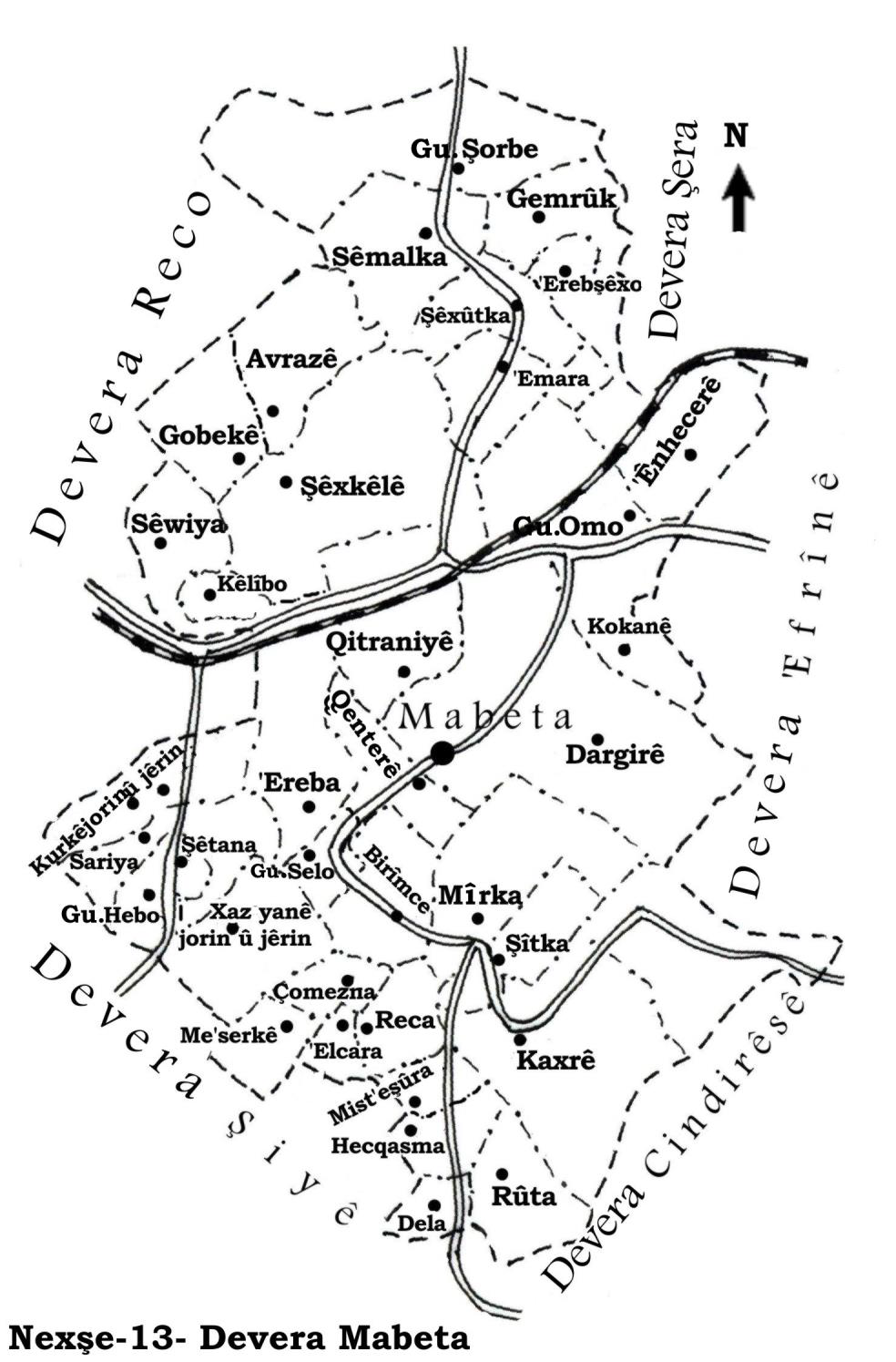
Mabeta
Also Known As
Al-Daliya, Dalyanli, Dela, Dêla, الدالية, داليانلي
Tribes
Dalî, Reşwan
Families, Clans, etc.
Hec Hemûdî, Mala Bûzo, Mala Hemîdî, Mala Çowê, Mala Ûskê
Photos
Basic Information about Dela
Source: Ax û Welat
Etymology: Derived from the word Dali or Dela, interpreted by locals not as mad but as devout dîndar or wise baqil, referring to the religious scholars who founded the village
Caves: Hecî Eşqer
Number of Caves: 2
Springs: Kaniya Korxe, Kahniya Hûzê, Kahniya Dela, Kahniya Ziyaretê, Kahniya Derqê, Mercehê
Hills: Çiyayê Xastiya, Pozê Hêşîr, Serê Qoza, Çiyayê Sor
Other Landmarks: Geliya Circimê, Geliyê Dola, Geliyê Zirzim, Geliyê Reza, Çolîstana Omê, Geliyê Qîmetê, Geliyê Xezîne, Eşqer, Geliyê Dûlê, Zinare Zîn
Summaries
I. Summary from TirejAfrin Site (English) of Dela
Source: https://www.tirejafrin.com/site/kura%20afrin%20%20%20mebetli%20-%20dela.htm
Based on the book جبل الكرد (عفرين) دراسة جغرافية Çiyayê Kurmênc (Efrîn): A Geographical Study by د. محمد عبدو علي Dr. Mihemed Ebdo Elî:
Dela, Dalyanlî, El-Dalyê /431 inhabitants - 535m altitude/
Dalî: One of the Reşwan Kurdish tribes.
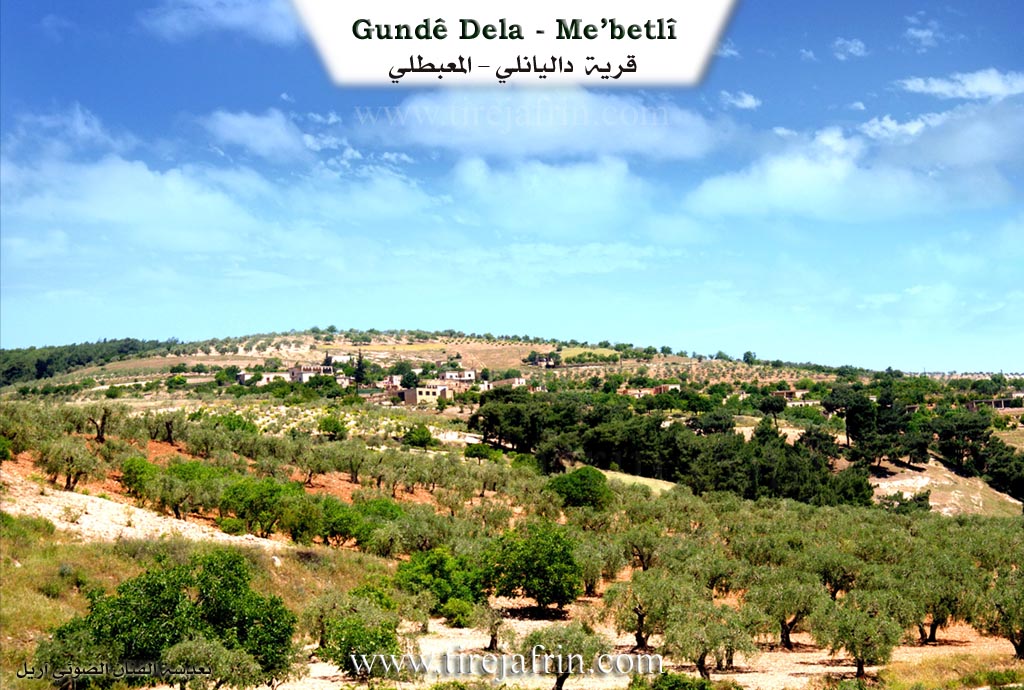
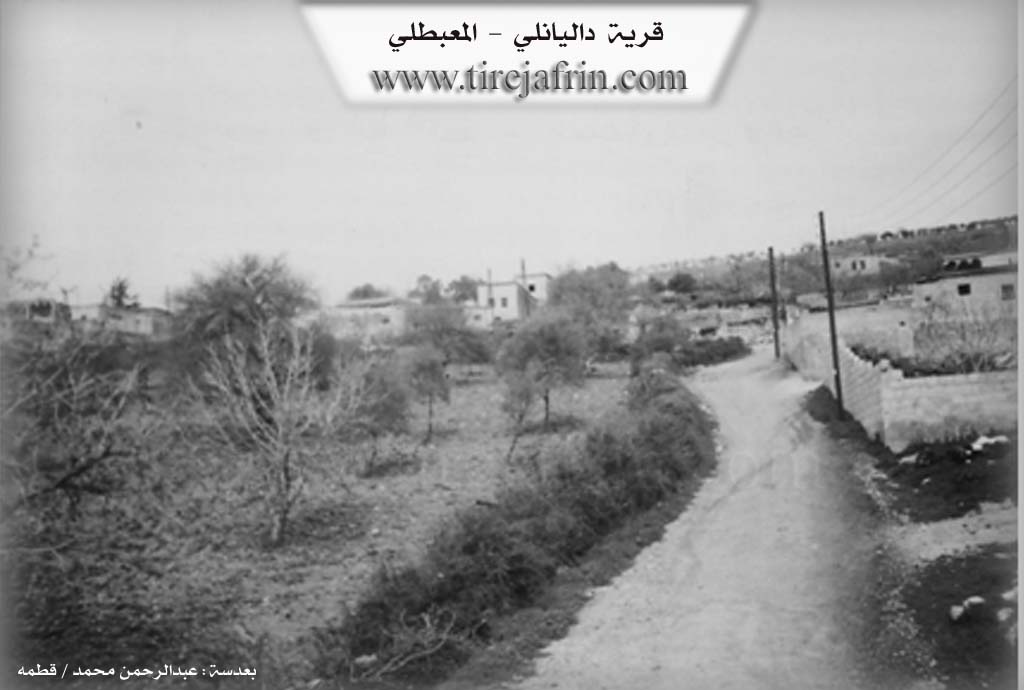
It is a small village located on the southern slope of Mount Xastiya. Caves and valleys sloping southward toward the Xastiya valley are abundant in and around it. Among the village houses and alleys, hewn stones and building foundations can be seen, indicating the existence of ancient habitation dating back to old eras.
According to the book عفرين .... نهرها وروابيها الخضراء Efrîn... Her River and Her Green Hills by the writer عبدالرحمن محمد Ebdulrehman Mihemed from the village of Qetme:
Dalyanlî is a village in Çiyayê Kurmênc, administratively belonging to the Mabeta district, Efrîn region, Heleb governorate. It is a small village situated in the central part of the mentioned mountain, on the southeastern surface of a limestone plateau that extends north and south. Caves are abundant there, and it is furrowed by torrential valleys toward the southwest. It is located 15km southwest of the town of Mabeta. Its soil is clay, covered with pastures and forests.
The village is bordered to the north by a high mountain range planted with forest trees and the village of Turmişkanlî; to the south by a steep slope, the fertile Cercim valley, and the village of Kurdanlî; to the west by a slope, a deep watercourse, and the village of Remezanlî; and to the east by a high mountain range, a torrential valley, and the village of Hac Qasimlî.
The number of houses is approximately 40, and the village is about 250 years old. Its old houses are made of stone and mud with flat wooden roofs, while modern cement buildings intermingle with the old ones in the southwest of the village. An electricity network and a primary school are available, as well as an asphalt road reaching the center of the village. Currently, the village drinks from a well belonging to the state in the Cercim valley. Its residents rely on rain fed cultivation of grains, legumes, and olives, alongside raising sheep, goats, and cows. Water flows at the bottom of the village from the southeastern side from the Rotanlî spring, passing through several villages until reaching the Amq plain within the lands of the Iskenderun district.
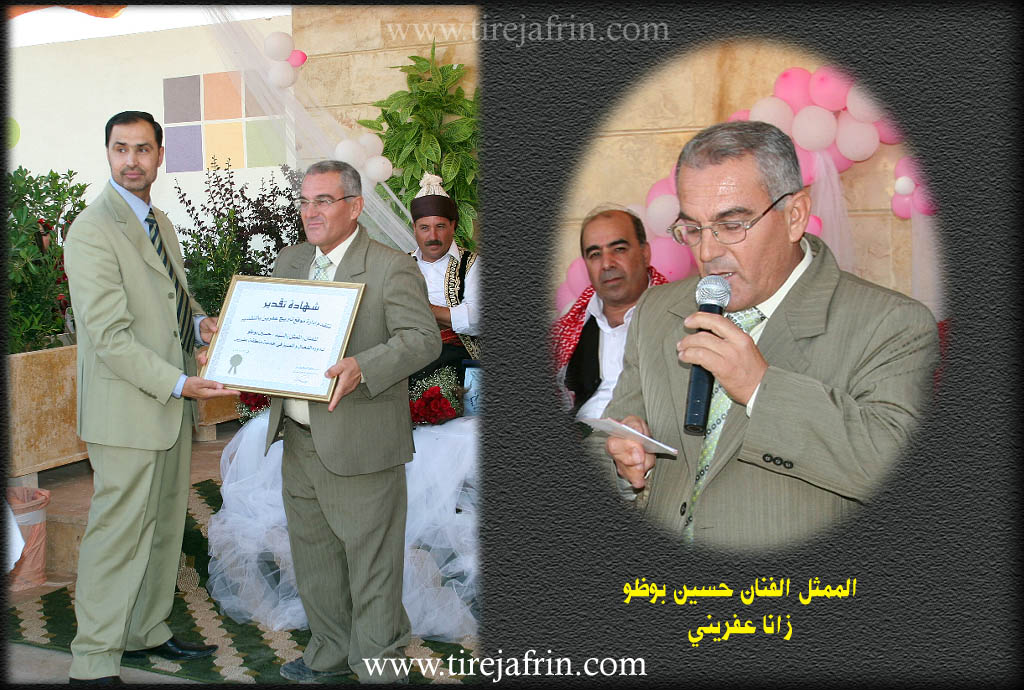
Among the families of the village are Hec Hemûdî. There are university degree holders and cultural figures such as Huseyn Bozo / Zana Efrînî and Osman Ebdulhenan.
Village Mukhtar: Zahid Ixtiyar
Preparation and Execution:
Director of Tirej Efrîn site: Ebdulrehman Hacî Osman
20/12/2013
Sources
Book: جبل الكرد (عفرين) دراسة جغرافية Çiyayê Kurmênc (Efrîn): A Geographical Study by د. محمد عبدو علي Dr. Mihemed Ebdo Elî.
Book: عفرين .... نهرها وروابيها الخضراء Efrîn... Her River and Her Green Hills by عبدالرحمن محمد Ebdulrehman Mihemed from the village of Qetme.
Studies of Navenda Tirej Soft / Ebdulrehman Hacî Osman.
II. Summary of Dela from Ax û Welat
Source: https://www.youtube.com/watch?v=OA3FTGQNLgk
The village of Dela, located within the Mabeta district of the Efrîn region, sits amidst the rugged terrain of Çiyayê Xastiya. The village overlooks the valley known variously as Geliya Circimê, Geliyê Dola, or Geliyê Zirzim. According to local oral history recounted by the village head, the settlement was established by a lineage of religious scholars and students, referred to as xuceler. These founders, specifically the Mala Hemîdî family, originally migrated from Gundê Bilêl to Gundê Hisê before eventually settling in the current location.
The name Dela is the subject of local interpretation. While the speakers acknowledge that words like "Dali" or "Dela" can imply madness in Arabic or Turkish, the villagers attribute the name to the concept of being dîndar (devout) or baqil (wise). They view their ancestors as people who were "mad" with religious love or wisdom, having dedicated themselves to studying the Quran and the sciences. Before constructing permanent stone houses, these early settlers lived seasonally in caves located at a site called Hecî Eşqer during the winter and in simple huts during the summer.
The social structure of Dela is defined by three primary families: Mala Hemîdî, Mala Ûskê, and Mala Çowê. The Mala Çowê family is noted to have migrated from Gundê Qudê. Over time, the village has seen significant migration, with many younger generations moving to Efrîn, Cindirês, and Heleb for work, leaving a smaller population of roughly 35 households primarily composed of the elderly.
Dela is historically renowned for its agriculture, particularly its walnut trees found in the valleys, as well as high quality pomegranates and vineyards in Geliyê Reza. The village is also associated with traditional craftsmanship. Apê Mihemed is a local soap maker who learned the trade from Armenians who used to tour the villages, continuing a practice that has otherwise faded. Additionally, the village features distinct stone architecture, with massive walls and arches constructed by local masons like Apê Ehmed, who spent fifty years building traditional homes using stone quarried from Efrîn.
Notable historical figures from the village include Hecî Hemûdî, a high ranking officer in the Ottoman army who fought in Yemen during World War I and later participated in the Gallipoli campaign alongside Mistefa Kemal Atatirk. He was also respected as an Islamic scholar. The village is surrounded by numerous natural landmarks, including springs like Kahniya Ziyaretê and Kaniya Korxe, and distinct hills such as Çiyayê Sor and Pozê Hêşîr.
II. Ax û Walat Book 1
THE VILLAGE OF DELA
1.9.2016
The village of Dela is a small village and the last village in the Mabeta district. It is one of the villages of the Dolê Valley, or Circim Valley. It is located 13 km northwest of the town of Mabeta and 31 km from the city of Efrîn.
Some say the name of the village means (Bandit or rebel).
The people of the village were initially owners of flocks and livestock. They were settled in the village of Hisê and later moved to the current village site to graze their flocks.
120
The Oskê family was the first family to settle in the village, and they are from the Milan tribe.
There are 4 main families in the village:
The family of Oskê, Hemûdî, Bozo, and the family of Çayê. All families are Kurdish but not from one root.
To the east of the village are the Qorqê spring, the Reza valley, the Umê desert which has oak and terebinth trees and plants, and the village of Hecqasma.
To the south are the Dolê valley, Pozê Hejîrê, Serê Qoça, the Zorê mountain, and the village of Rûta.
To the west are the Qêmetê valley, the Xezînê valley, Yacî Eşqer, and the village of Remedana.
To the north are Serînca Dûr, Rezê Baniyê, and the village of Tirmûşa.
Yacî Eşqer is an ancient place where several families used to live, but now it has become a ruin and no one is there.
Serînca Dûr: is to the north of the village. The people of the village used to get their drinking water from it and wash their clothes there. Shepherds also watered their flocks there.
The Dolê Valley or Circim Valley is at the base of the village. In the spring and after the rains, a spring emerges there, and the water of the valley flows like a river until the end of summer. Therefore,
121
the villagers plant vegetable and fruit gardens along the valley, and the surroundings become beautiful and adorned, making it a place for travel and recreation. People from all areas visit it on holidays and spend their days with joy. It is worth mentioning that the fields around the valley, which appear as a long plain, are adorned with all kinds of fruits, especially walnut trees and vineyards.
It is worth noting that many relatives of the villagers have settled in the village of Hecqasma for various reasons, and this has made the relations of the people of Dela village strong not only with their relatives but with all the residents of Hecqasma village.
The people of Dela village, like most of the villages in the Efrîn canton, make their living from agriculture, and the cultivation of olive groves is at the forefront, along with which they also own fruit trees such as walnuts, grapes, pomegranates, apricots, apples, peaches, plums, cherries, and sumac.
Along with agriculture, some families own livestock such as sheep and goats, and many families also keep chickens and rabbits.
Around 8 people go to the city of Efîn daily and work in various factories there. Due to the village's remoteness from the city of Efrîn, it has caused nearly 50 families to settle in the city of Efrîn and around 10 families in the city of Cindirêsê.
122
settle, and also nearly 15 people work as employees in the institutions and bodies of the Autonomous Administration.
There is a martyr from the village named Martyr Norheq Cindirêsê.
The village commune is named Ş. Ciwan.
Ehmedê Henên: is one of the most prominent builders in the Efrîn canton. He is very skilled in building palaces and mansions, so people from all areas come to him, and he has built buildings in many places.
Osman Henan: is one of the first lawyers in the region, and one of the first people to join the Syrian Communist Party. He practiced law in the courts of Heleb and Efrîn until 2015. He is one of the first people to learn the Kurdish language and also taught his relatives and friends. He often faced obstacles and arrests from the Baath government agencies.
Hisên Bozo: is known as a theater actor and also as a director and teacher of the Kurdish language. He now works as a teacher at the Theater Institute in Efrîn.
Hec Hemûdî: in 1913, during the First World War, he fought in Yemen as a high-ranking officer in
123
the Ottoman army. He was also known as a scholar of the Islamic religion. In 1915, as a great commander alongside Mistefa Kemal Ataturk in the Turkish army, he participated in the Battle of Çanakkale in Turkey.
Transcriptions and Subtitles
| Source | Video | Subtitles | Transcript |
|---|---|---|---|
| Ax û Welat 1 | Watch Video | Download SRT | View Transcript |
Foundation/Origin Information of Dela
Carved stones and building foundations are observed between the village houses and alleys indicating the existence of ancient settlement dating back to ancient times.
Source: TirejAfrin Site
Possible Village Name Meaning of Dela
Dali (دالي): One of the Kurdish Rashwan tribes.
Source: TirejAfrin Site