General Information
Nahiya (Subdistrict)
Bilbilê
Also Known As
Qaşa, الحاجب, قاش اوغلي, قوشا, قوشو
Families, Clans, etc.
Bekir, Elî, Elî Goçer, Hecî, Mihemed, Mihemed Romî
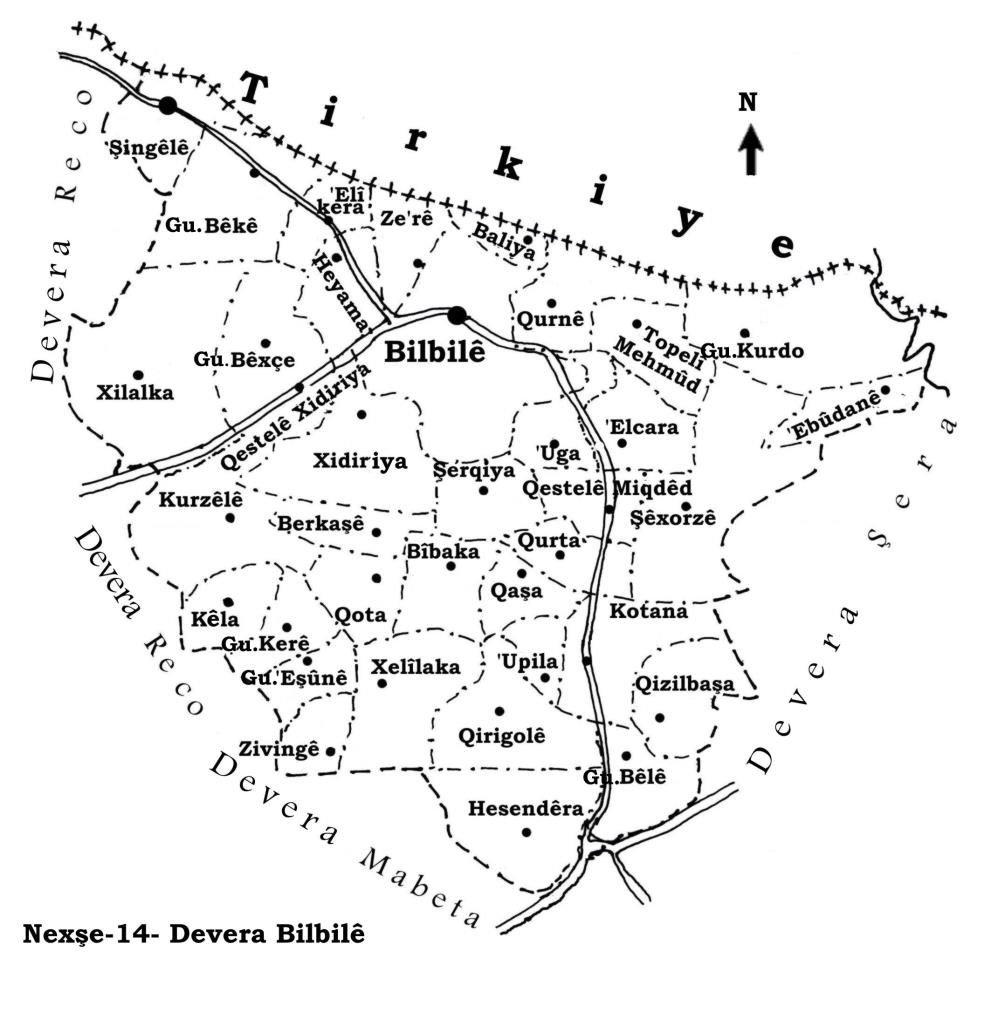
Photos
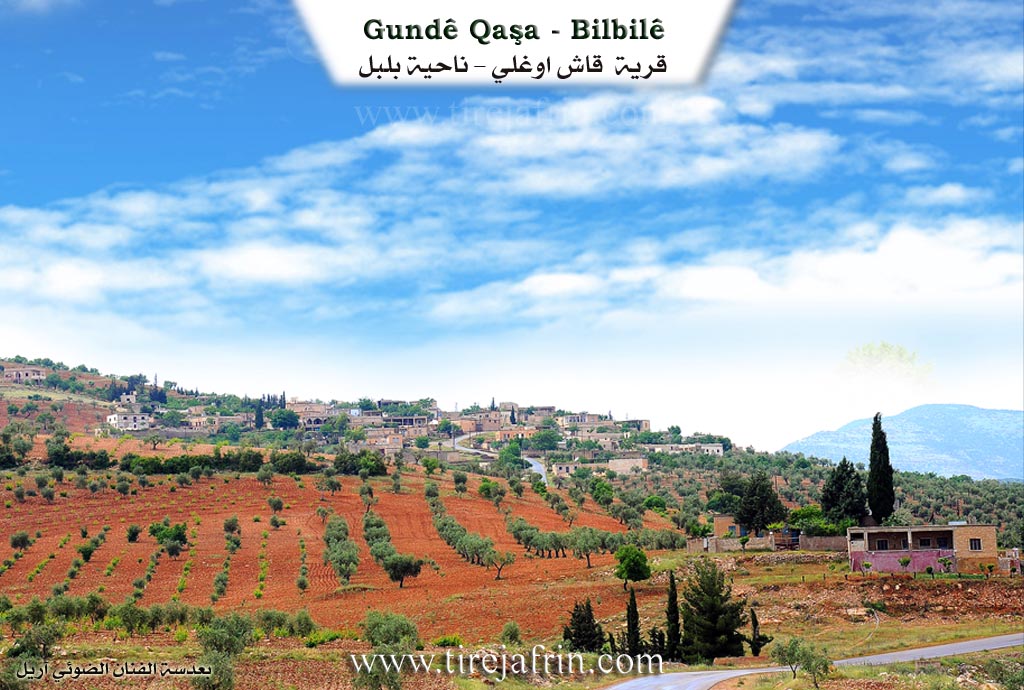
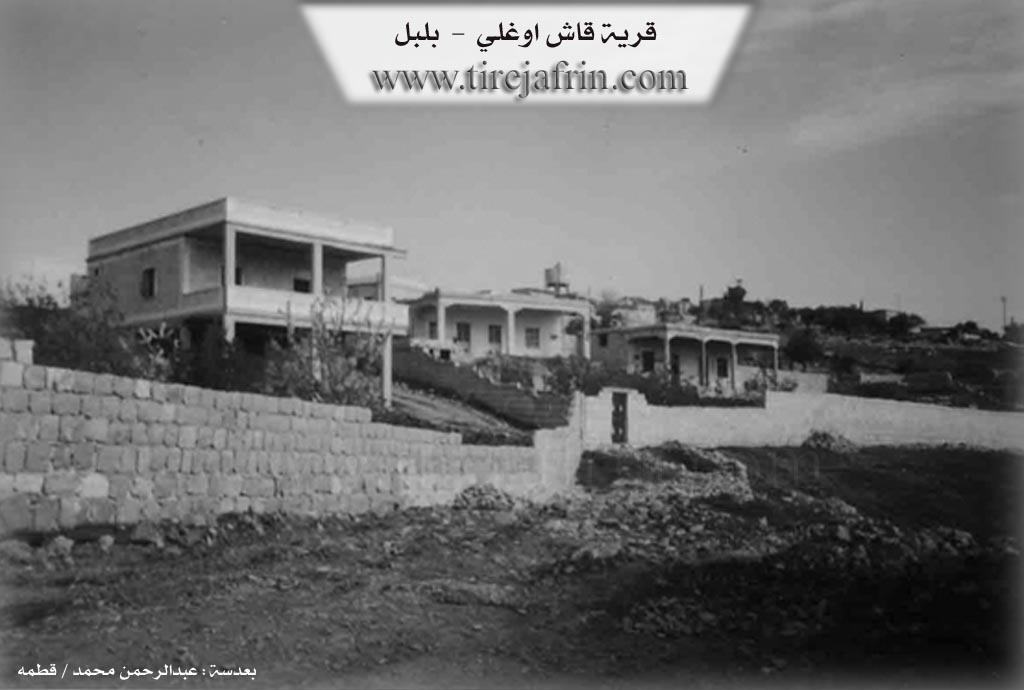
Basic Information about Qaşa
Source: Afrin 366
Etymology: Qirta ozane
Hills: Qirta ozane, Çoyê bilbilê
Summaries
I. Summary from TirejAfrin Site (English) of Qaşa
Villages of Bilbile District / bilbile
Qāsh Oshāġī (قاش اوشاغي) - Qaša
===
According to the book 'جبل الكرد' 'Mountain of the Kurds' / Afrin City / Geographical Study:
Qaša, Qāsh Oshāġī (قاش أوشاغي), Al-Ḥājib (الحاجب) /693N - 240E - 6.5km/:
- Qāshā: A name or nickname for one of its first inhabitants. The Ottoman designation means "children of Qāsh," and the Arabic name "Al-Ḥājib" (الحاجب) has no connection with the original name.
- A small village standing on a high summit.
According to the book 'عفرين .... نهرها ورؤابيها الخضراء' 'Afrin City .... Its River and Green Hills':
Qāsh Oshāġī (قاش اوشاغي): A village in Kurdistan Mountain (جبل الكرد) belonging to Bilbile District (ناحية بلبل), Afrin City region (منطقة عفرين), Aleppo Governorate (محافظة حلب).
It is a small village standing on a summit of a medium elevation in the northern section of the aforementioned mountain mass, water streams descend from this summit in different directions, 7km away from Bilbile town (بلدة بلبل) to the southeast. It is bounded to the north by mountain elevations planted with olive trees and Sharqyānlī (قرية شرقيانلي) and 'Ukānlī villages (عوكانلي), to the south by a steep slope planted with olive trees and Ābil Oshāġī village (قرية أبيل أوشاغي), to the west by a deep Sîlî Valley (وادي سيلي) planted with olive trees and Bîk Oshāġī village (قرية بيك أوشاغي), and to the east 1km away a slope and Qort Oshāġī village (قرية قورت أوشاغي). The number of houses is 35 houses and its age is approximately 250 years. Its dwellings are stone-clay with flat wooden roofs, and modern concrete construction extends to the east and is predominant in its dwellings. There are several modern villas to its north. It has an electricity network, an elementary school, and a modern olive press. It drinks from a network that gets its water from an artesian well west of the village. Its inhabitants cultivate rainfed on an area of /240/ hectares with grains, olive trees, and grapes, and raise sheep and goats. Note that the village is located on a very high summit with slopes on all sides.
II. Summary of Qaşa from Afrin 366
Source: https://www.youtube.com/watch?v=pXevdMSz8EA
The village of Qorşo is situated within the Çoyê bilbilê area, a region noted for its high elevation and expansive views ("mentiqek fereh û mezin"). The landscape plays a significant role in the identity of the village; when asked about the origin of the name Qorşo, an eighty-five-year-old elder explains it in relation to the terrain, referring to Qirta ozane, suggesting a connection to the ridge or rocky features of the land.
The demographics of Qorşo reflect a shift common to the region. While the village contains approximately fifty to fifty-one households in total ("pêncî pêncî û yek mal"), the resident population has dwindled. The elder notes that currently, only about twenty to twenty-one families actually reside there ("bîst mal têda ronîştî ne"). The physical state of the village mirrors this partial emptiness; the documentary team observes several ruined structures ("kavil" or "xirabe") alongside newly renovated or constructed homes. Notable among the well-maintained properties is the courtyard of Mihemed Romî, which is praised for the significant investment and care put into its construction.
The social structure highlighted in the documentation centers on specific family lineages and households. The filming was conducted at the request of the family of 'Elî Goçer. During the tour, the host visits the homes of several brothers. The primary interviewee is an elderly man, eighty-five years of age, who introduces the homes of his younger brothers: Mihemed, whose house is described as having a large courtyard, and Bekir, whose home is also featured. Another brother, Elî, is mentioned as having a particularly beautiful and well-kept courtyard. The elder also points out a large courtyard belonging to Hecî.
Architecturally, the village preserves traditional elements alongside modern renovations. The elder proudly displays his diwanxane (guest room), a traditional stone room with a domed ceiling ("qub e") that keeps the interior cool. He states that this specific structure is forty years old ("çel sal"). Despite the scattered population, the residents maintain a strong sense of identity, with the elder sending blessings to all Kurmanc and expressing a wish for displaced people to return to their own lands and soil. The village is characterized by its peaceful, high-altitude setting and the enduring presence of these core families despite the empty houses surrounding them.
Transcriptions and Subtitles
| Source | Video | Subtitles | Transcript |
|---|---|---|---|
| Afrin 366 1 | Watch Video | Download SRT | View Transcript |
Possible Village Name Meaning of Qaşa
Qāshā: A name or nickname for one of its first inhabitants. The Ottoman designation means 'children of Qāsh.' The Arabic name Al-Ḥājib has no connection with the original name.
Source: TirejAfrin Site