General Information
Nahiya (Subdistrict)
Reco
Also Known As
Kuran / Kuranli / Kûra / كورانلي, كوران راجو
Tribes
Şêxan
Families, Clans, etc.
Berîmo, Dêlî Heso, Ebid, Elîkî Çûlê, Elûto, Erûs, Hisên Reco, Kekic, Kineş, Kodê, Kulikê Qember, Kêlî Eşkurê, Kûse, Memedî Çepê, Qedro, Reşkî Welîkê, Sefo, Silêman, Sirî, Sînê, Xelfan, Xurşîd, Çawîş
Photos
Basic Information about Kûra
Source: Ax û Welat
Etymology: Named after Çiyayê Kurrê, the mountain located above the village
Springs: Kaniya Kîlkê, Qestel
Hills: Çiyayê Kurrê, Qerebêlê
Trees: Dara Sêdarê
Wells: Bîra Defere, Bîra Defteng
Other Landmarks: Xewrek, Neletme, Gundê Meskû
Summaries
I. Summary from TirejAfrin Site (English) of Kûra
Source: https://www.tirejafrin.com/site/kura%20afrin%20%20%20Reco%20-%20kuranle.htm
Kra, Kuranlî, Kuran /972 inhabitants, 123 houses, 630m altitude, 4km/:
Kûra: Meaning "the blind" (plural). Kuran: One of the Kurdish tribes living around Qers in northern Kurdistan (Lerch, p.61).
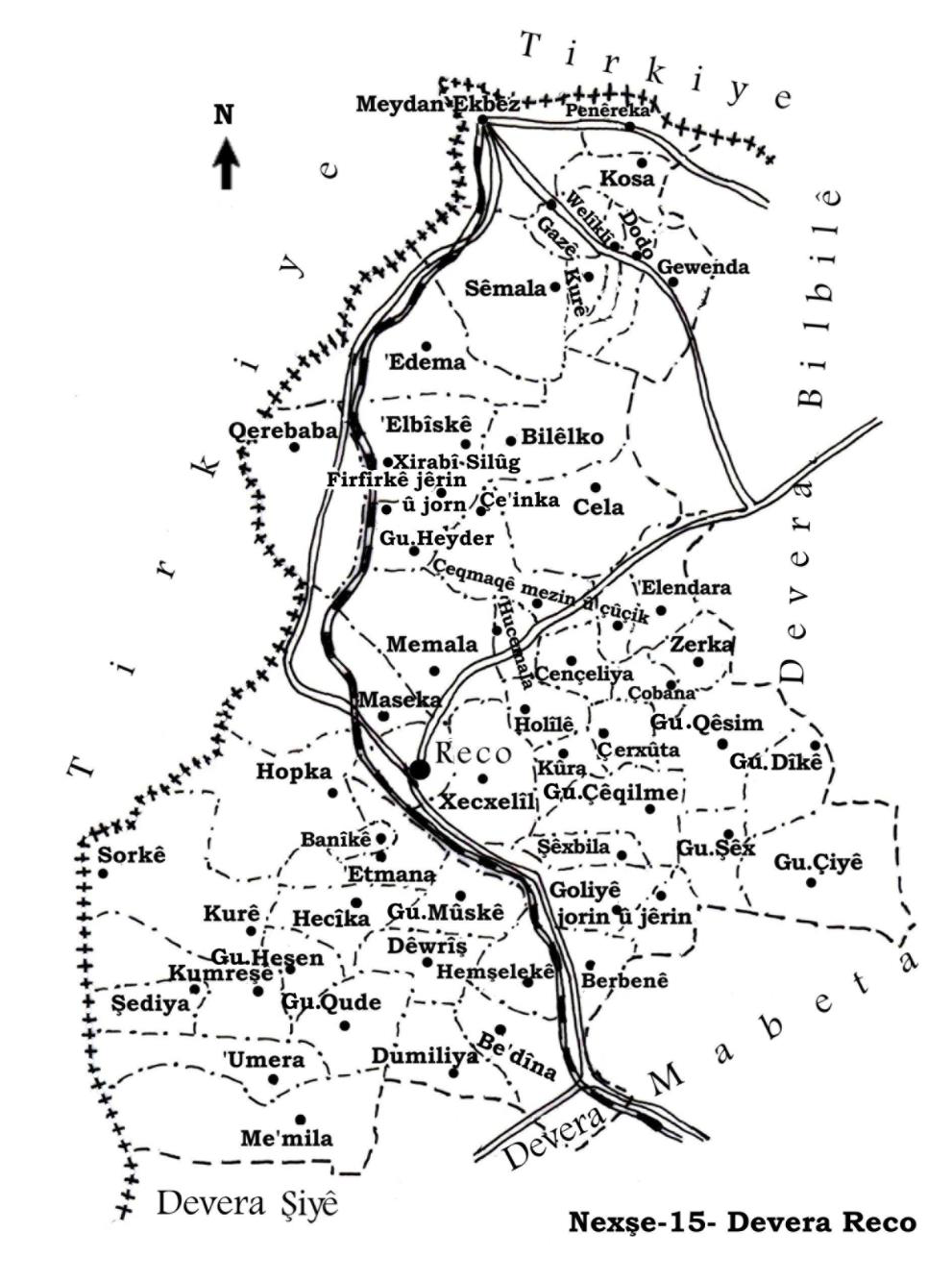
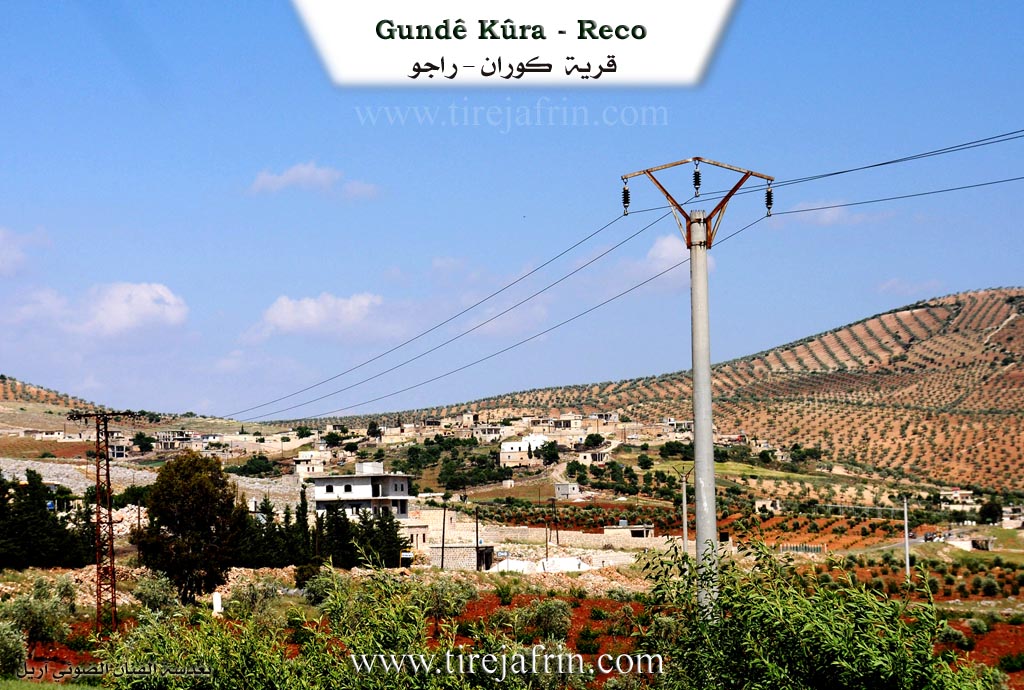
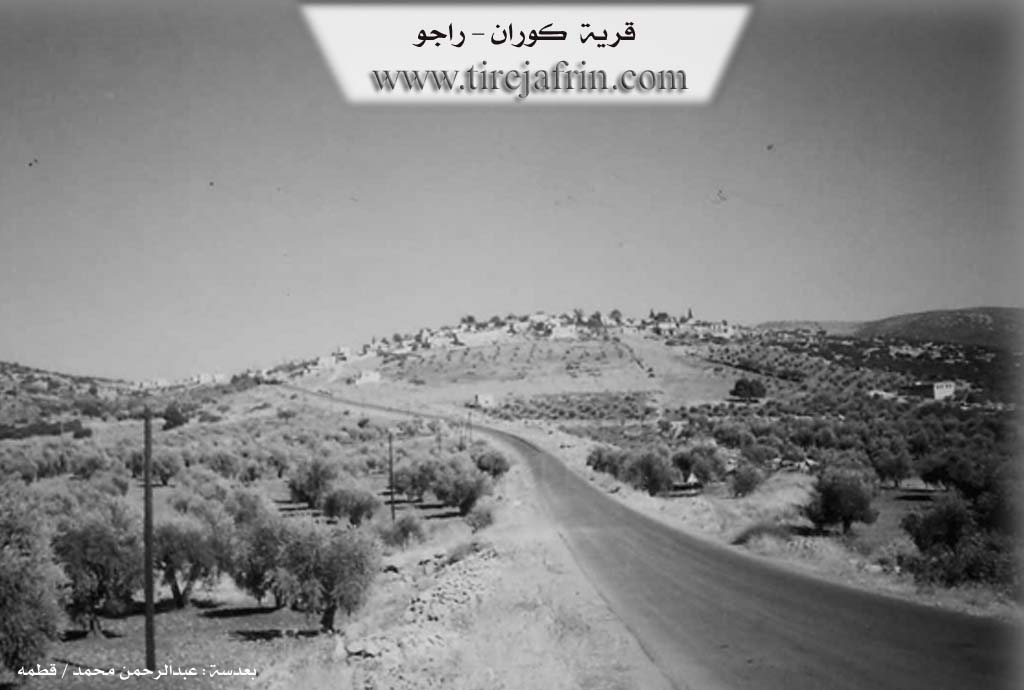
It is a medium sized village, located on the summit of a low mountainous elevation connected from the north to Çiyayê Bilal, and it slopes down from the west toward the valley coming from the village of Holîlê. Beside it is the well known shrine of Ziyareta Mihemed Elî.
As stated in the book Efrîn... Her River and Her Green Hills: Kuranlî is a village in Çiyayê Kurmênc following the Reco sub district, Efrîn region, Heleb governorate. It is a large village located on a limestone elevation overlooking the valley of Neşab to the east, which heads towards the south where agricultural lands with clay soil extend. It is 4km away from the town of Reco towards the east. It is bordered to the north by a high mountain range planted with forest trees, a valley, and the village of Holîlû; to the south by a slope, a wide plain planted with olive trees, and the village of Şêx Bilal; to the east by a slope, a valley, a plain planted with olive trees, and the village of Çelqema; and to the west by a slope, a valley 1km away, and the village of Hec Xelîl.
The number of its houses is about 80 and its age is about 350 years. Its old dwellings are of stone and mud with wooden roofs, while modern ones are of cement and have expanded onto its outskirts. A state owned electricity network and drinking water are available, and there is a primary school. It connects to the region via an asphalt road that passes through its center to several villages up to the village of Kutanlî (Bilbil sub district). It contains a modern press for pressing olives. The residents work in rain fed agriculture (olives, grains, legumes, other fruit trees). Kuran is considered one of the old villages in the region.
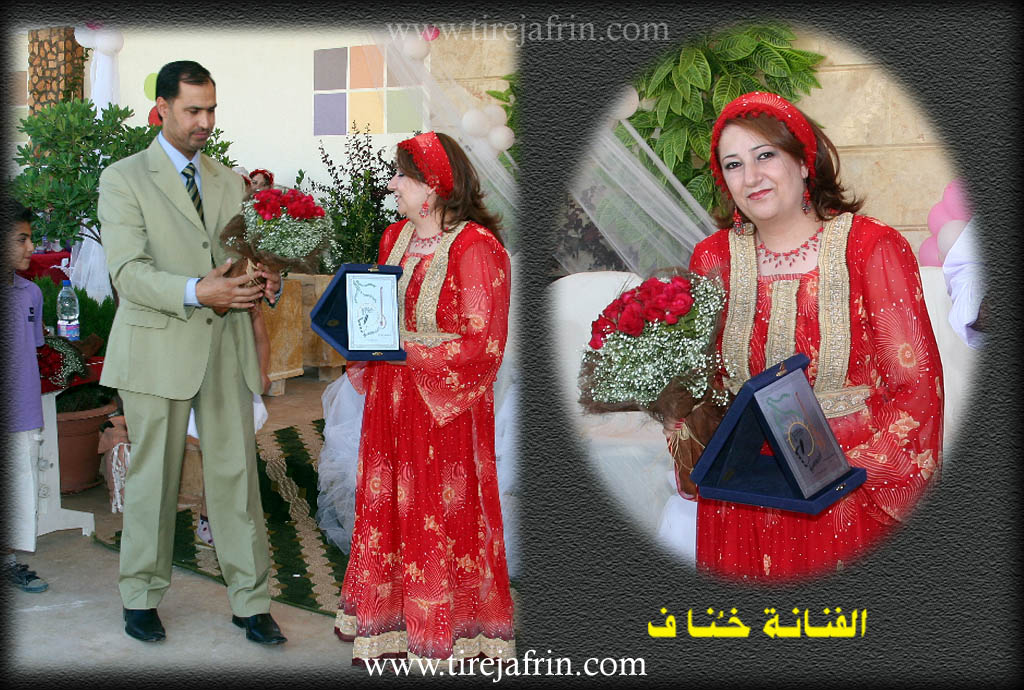
Among the families found in the village: Xelfan family, Elûto family, Kekic family, Berîmo family, and Erûs family. There are many holders of university degrees in all specializations. It is mentioned that the traditional artist Xenaf is one of the children of this village.
Village Mukhtar: Mihemed Arif Hebeş
Sources of Information:
- Book: جبل الكرد (عفرين) دراسة جغرافية Çiyayê Kurmênc (Efrîn): A Geographical Study by د. محمد عبدو علي Dr. Mihemed Ebdo Elî.
- Book: عفرين .... نهرها وروابيها الخضراء Efrîn... Her River and Her Green Hills by عبدالرحمن محمد Ebdulrehman Mihemed from the village of Qetme.
- Studies of Navenda Tirej Soft / Ebdulrehman Hacî Osman.
- Some residents of the villages.
Preparation and Execution: Manager of Tirej Efrîn website: Ebdulrehman Hacî Osman 20/12/2013
II. Summary of Kûra from Ax û Welat
Source: https://www.youtube.com/watch?v=fYEgsG7TqC4
The village of Kurrê (also referred to as Kûrê or Qorre) is one of the seven villages comprising the Meydana area in the Raco district of Afrin. The village is situated at the foot of Çiyayê Kurrê, from which it derives its name. Its origins are rooted in a conflict over the Neletme plain, which had resulted in the deaths of seven men. To resolve the blood feud, Şêx Bekir sent his cousin, a wise man named Şêx Mehmed from Kerkûtê in the village of Çuyî, to intervene. Şêx Mehmed successfully brokered peace and subsequently founded Kurrê. The residents identify with the Şêxan tribe and trace their lineage through ten principal families: Reşkî Welîkê, Elîkî Çûlê, Kêlî Eşkurê, Ebid, Memedî Çepê, Sînê, Kûse, Kulikê Qember, Kineş, and Sirî.
Historically, the village lacked its own water sources. In the past, residents traveled to Gêşîwîda to fetch water from a site called Qestel. During the French Mandate, the French military used the area for training and drilled a well known as Bîra Defere (near Gawanda) to water their horses; another well named Bîra Defteng is also mentioned in the vicinity. A prominent figure in the village's history was Mehmê Mehmedê, an intellectual and teacher who played a crucial role in registering the population during the census to resolve issues of statelessness (mektûm). Another notable educator was Cemîl Behrî Kinê, who began teaching children in the 1930s.
Social life in Kurrê and the surrounding Meydana villages revolved around a famous landmark called Dara Sêdarê. This large tree served as a gathering point where people from neighboring villages like Gazê, Welîklê, and Gewanda would meet to socialize and play games. Another distinctive natural feature is Xewrek, a depression in the landscape that floods during winter rains to form a large temporary lake. The water from Xewrek reportedly drains away rapidly through the ground, re-emerging at Kaniya Kîlkê. Administratively, the small hamlet of Gundê Meskû is attached to Kurrê. The village remains known for its agriculture, particularly olive groves, garlic, and onions, and preserves traditions of communal labor.
II. Summary of Kûra from Multi Channel
The village of Kuran is located in the northern countryside of Cindirêsê within the Efrîn region, situated to the east of the historically older village of Kefirsefrê. Local elders state that the settlement dates back over 500 years.
According to the elderly resident Mihemed Sîdo Silêman, the foundational lineage of the village is the Dêlî Heso family. Their ancestors originally migrated from a ruined settlement known as Xirbê Eşkan, which is now part of Kefirsefrê. Seven generations have passed since Dêlî Heso, whose descendants include historical family figures like Îbo and Sîdo.
The village comprises several families of Kurdish origin, including Silêman, Xurşîd, Çawîş, and Hisên Reco. Interestingly, the community also assimilated families of Arab origin, specifically the Kodê, Sefo, and Qedro families. These families originally migrated from Xan Şêxûn, passing through Ezaz before settling in Kuran as goat herders. Over time, they purchased land, gained wealth, and fully integrated into the social fabric of the village.
In the past, the area surrounding Kuran was heavily forested rather than covered in the olive groves seen today. Early residents primarily survived by herding goats and sheep. Due to extreme poverty, villagers lived in hand dug and natural caves. These caves were partitioned to shelter both humans and livestock. The elder notes that one cave owned by the Kodê family was once considered so valuable that its asking price was equivalent to a cave full of sheep. Water was historically scarce. The villagers relied on an ancient Roman well, rainwater cisterns, and a single water spout in the western part of the village. Later, residents began building distinctive arched stone houses, with surviving examples constructed in 1935 and 1944.
A beloved and notable figure in Kuran is Zarîfe, an 85 year old traditional midwife who delivered almost all the village residents for free. Although she never had biological children of her own, she raised her husband's children from another marriage, including Ebû Xalid, who treats her with deep devotion.
Today, the local economy relies heavily on olive cultivation, with presses producing high quality mountain olive oil, often utilizing the Xelxalî olive variety. In recent years, the village has become a refuge for displaced Arab families from Himis and Xûta. A displaced man named Xesan highlighted the exceptional hospitality of the Kuran residents, noting how they readily shared blankets, water, and their personal olive harvests with the newcomers, demonstrating the enduring generosity of the community.
Transcriptions and Subtitles
| Source | Video | Subtitles | Transcript |
|---|---|---|---|
| Ax û Welat 1 | Watch Video | Download SRT | View Transcript |
| Multi Channel 1 | Watch Video | Download SRT | View Transcript |
Foundation/Origin Information of Kûra
It is considered one of the old villages in the region.
Source: TirejAfrin Site
Possible Village Name Meaning of Kûra
"Kûra" means "the blind." "Kuran" is from the Kurdish tribes living around Qars in northern Kurdistan.
Source: TirejAfrin Site